
There are certain problems students face on college campuses that can create prolonged (and even unsafe) nightmare scenarios…
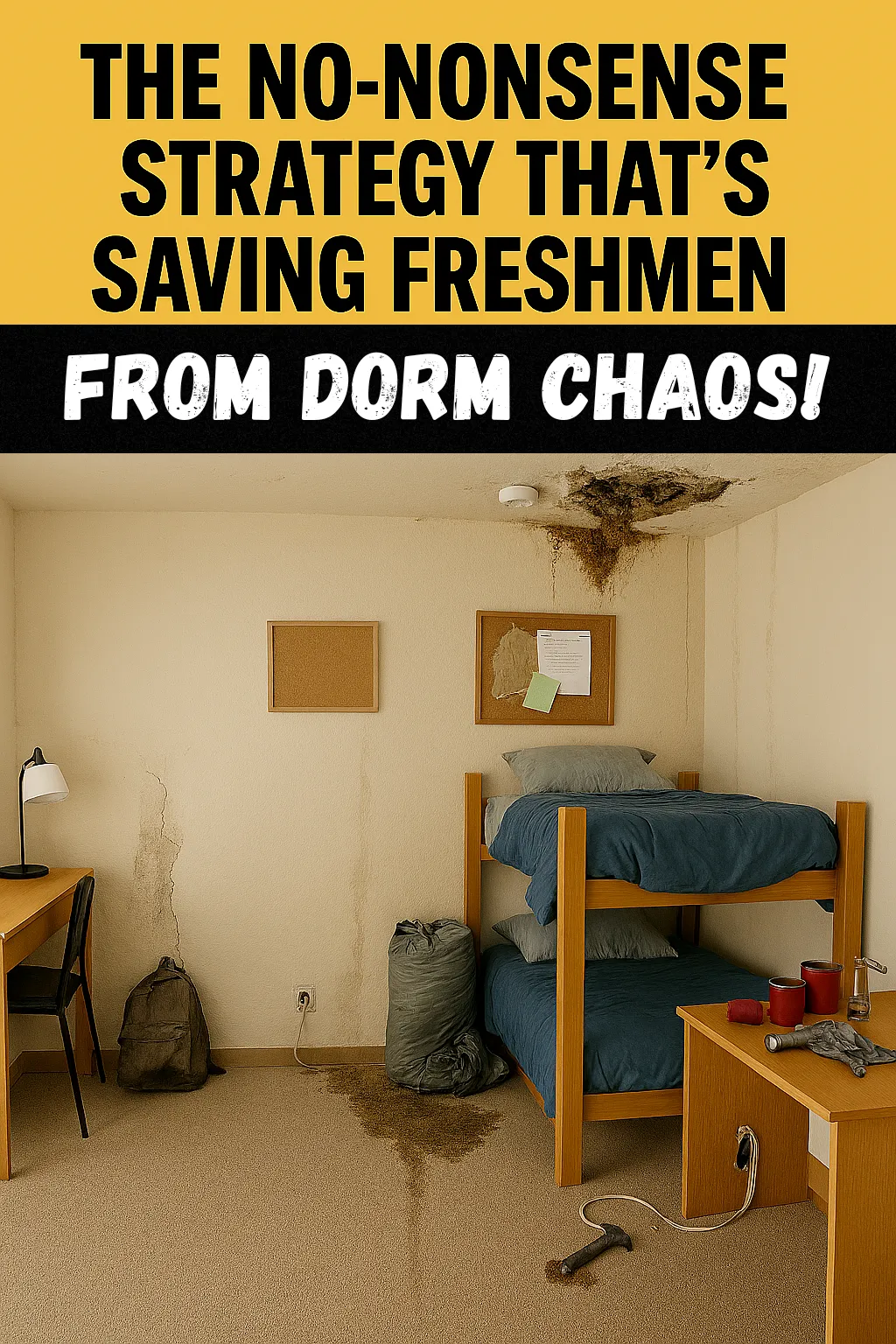
College presents several challenges that go well beyond money. Every parent is well aware of dorm roommate drama, party scenes, and parking issues. There are also things like club cliques, fraternity and sorority hazing, and mystery ingredients in cafeteria entrees. But a whole other crop of problems comes from on-campus housing. And those are unrepaired and ongoing maintenance issues. While these may not pose much of a danger, they can create safety hazards, especially health hazards, such as mold.
A Practical Guide College Freshmen Can Follow to Fix Dorm Issues
Incoming college freshmen—welcome to campus life! You’re unpacking boxes, meeting new people, and suddenly… the AC wheezes like it’s on its last breath, the window won’t open, or there’s a mysterious leak. Dorm rooms are old-school in many places, so stuff breaks. The good news? Getting it fixed is straightforward if you know the drill. And parents, you can help (without helicoptering).
Act ASAP
First things first: act fast. Minor glitches like a flickering light or stuck drawer can turn major if ignored—think mold from poor ventilation or pests from cracks. Report issues right away to keep your space livable.
Most colleges have an official system for this. Check your orientation packet, residence life website, or housing portal for a “maintenance request” or “work order” form—it’s usually online and super easy. Log in, describe the problem clearly (e.g., “Room 212: Toilet runs constantly, wasting water”), add photos if possible, and include your building/room number. This creates a paper trail and prioritizes urgent stuff like no heat or flooding.
Go Up the Chain of Command
Not sure if it’s urgent? Talk to your Resident Assistant (RA). They’re upperclassmen living in your hall, trained to guide you through exactly this. During floor meetings or move-in week, they’ll explain the process—many schools want you to start with them for non-emergencies. RAs can submit requests on your spot or escalate if needed. Be polite and specific when chatting with them; they’re your first ally.
If you spot maintenance staff in the hall (the folks with tool belts fixing common areas), a friendly “Hey, quick question—my sink’s clogged in Room 305. Who should I tell?” can point you in the right direction. But don’t assume they’ll fix it on the spot; official requests ensure it gets logged and tracked.
Take Serious Problems Seriously
For serious issues—no hot water, electrical hazards, bugs, or mold—treat them as emergencies. Call the housing office or the after-hours duty line immediately. Health stuff, like pests or mold, needs quick action to avoid bigger problems. Basically, if it truly poses a health and/or safety issue, don’t put off reporting it. File a repair request right away, document it, and follow up if it’s not addressed within a reasonable amount of time.
Parents, Provide Patient Support
Parents, your role is to support, not to take over. Encourage your kid to handle it themselves—it’s prime independence-building. If delays drag on (or there’s a health concern, like mold allergies), step in calmly: email or call housing with the details, referencing your student’s report. But let your freshman lead; colleges expect students to advocate. If your kid struggles with anxiety or communication, coach them on what to say.
Systems exist because dorm fixes are routine. Stay proactive, polite, and documented—you’ll have a comfy space in no time. Freshman year flies by; don’t let a leaky faucet steal the fun.
Parents, what have your experiences been, and what would you add?
Leave a Reply