
With college costs skyrocketing, financial aid serves as a critical support for families, yet many make preventable errors that drastically cut their access to thousands of dollars in aid; here’s how to avoid such mistakes…
Earning a 4-year degree today costs a lot of money, and it’s only getting more expensive. Higher education’s sticker shock is real, and for most families, the price tag puts a severe strain on finances. So, it’s no wonder that parents and students alike look for ways to cut spending wherever they can. Unfortunately, there are several things families can do to reduce the financial burden. It just takes a little creativity and proactivity.
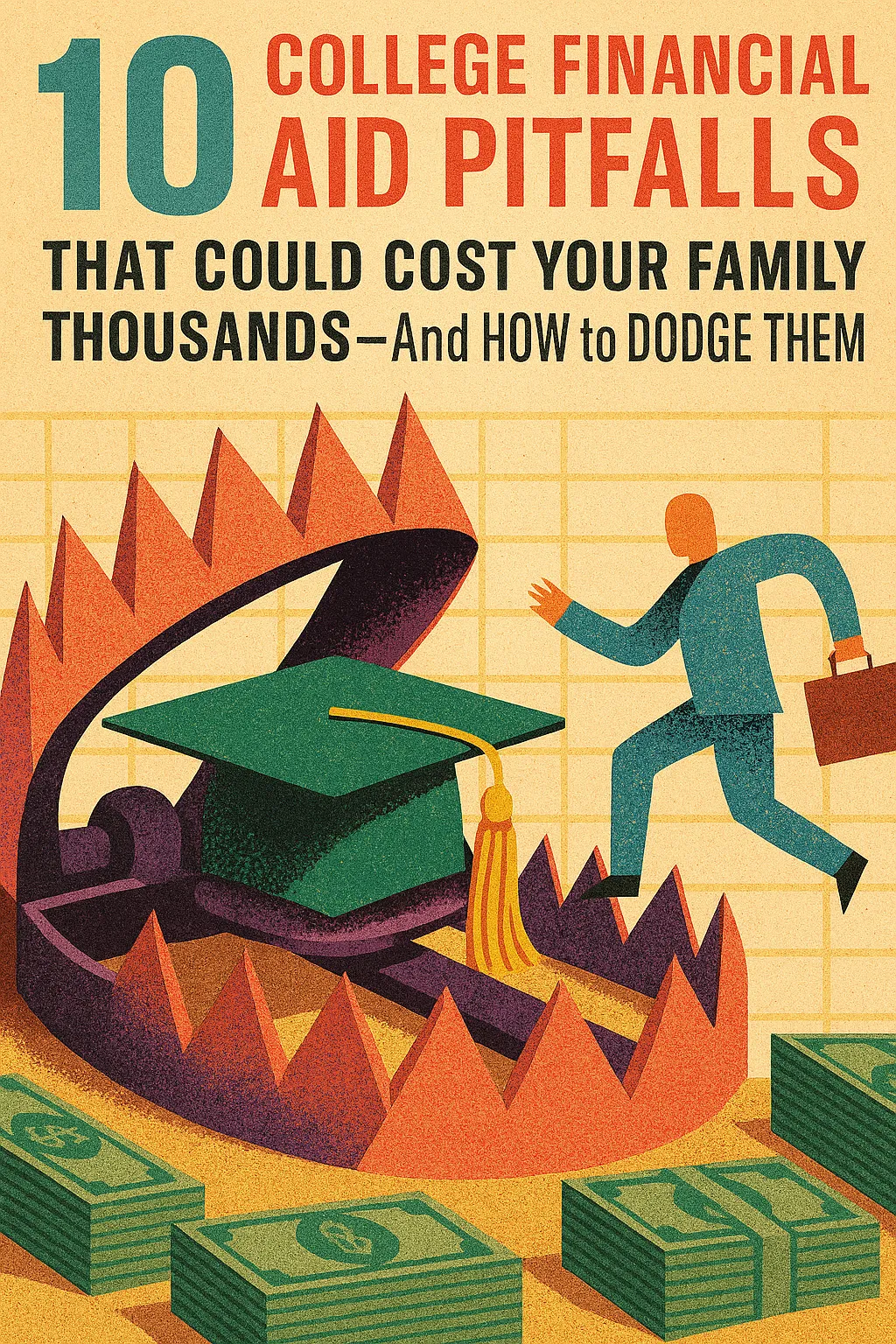
How to Avoid the 10 Biggest Financial Aid Mistakes That Cost Families Thousands
With college costs soaring past $40,000 a year at many schools, financial aid isn’t a luxury—it’s a lifeline. Yet, for the Class of 2026, as the FAFSA opens this fall, countless families are tripping over avoidable errors that slash their eligibility for grants, scholarships, and loans.
Data shows many who qualify most never even file the form. Don’t join them. Here’s a rundown of the top mistakes and fixes, drawn from expert insights, to secure your slice of the $150 billion+ in annual aid.
- Skipping the FAFSA because “We’ll never qualify.”
Myth: If you’re middle-class, aid’s off the table. Reality: Most families underestimate eligibility—need-based aid hinges on income, assets, and family size, not just wealth. Surveys reveal the most aid-eligible often skip filing altogether. Fix: Submit anyway; it’s free and unlocks federal Pell Grants up to $7,395 for 2025-26.
- Applying Without Filed Taxes
For fall 2026 freshmen, the FAFSA demands 2024 tax data, processed by the IRS via Direct Data Exchange. Unfiled returns? You’re ineligible until they’re done—delaying awards by months. Fix: Complete and submit taxes early; the IRS link on the form automates it securely.
- Ignoring Institutional Deadlines
Waiting for admission letters? Big no. Colleges have unique deadlines—Early Decision might be November 1, Regular Decision January 15. Miss them, and you’re out of aid consideration. Fix: Track via each school’s site (20-30 minutes per college). Submit by the earliest date to cover all bases.
- Delaying Aid Requests Post-Freshman Year
Full-pay admits might get an admissions edge for revenue reasons, but requesting aid later? Some schools deny institutional funds outright; others table it for a year. Fix: Apply upfront if there’s any need chance. Honesty pays—aid packages can be adjusted annually.
- Cashing a Work Bonus in the Base Year
Your Adjusted Gross Income (AGI on Form 1040, line 11) drives the Student Aid Index (SAI), the key eligibility metric. A 2024 bonus inflates it for 2026 starters, cutting aid. Fix: Defer bonuses or raises to 2025; it lowers SAI and boosts eligibility.
- Mislisting 529 Plans as Student Assets
As a beneficiary, it’s tempting to tag 529s under the student. Wrong: The Education Department counts them as parent assets, assessed at just 5.6% vs. 20% for student holdings. Fix: Report as parental—it’s a stealth aid booster.
- Parking Parent Savings in Student Accounts
Tax-smart? Sure. Aid-dumb? Absolutely. Student assets are hit at 20-25 cents per dollar; parents’ assets are hit at 5 cents per dollar. Fix: Keep funds in the parents’ name, but consult a tax pro for your setup.
- Letting Grandparents Pay Directly
FAFSA ignores grandparent gifts, fine for federal aid. But CSS Profile schools (about 170 elite privates) treat them as untaxed student income, tanking need-based awards. Fix: Route gifts through parents or as post-graduation help to sidestep scrutiny.
- Snubbing Federal Student Loans
These aren’t villains—they’re saviors: 5.5% interest for subs, flexible repayment, and forgiveness options. Caps? $5,500-$7,500/year, $31,000 lifetime, with grace periods. Private loans? Riskier, pricier. Fix: Accept your package’s full allotment; it’s the safest debt.
- Ditching Schools Over Sticker Shock
That $80,000 “price” scares everyone, but 85% pay less—often half—via aid or merit. Fix: Use net price calculators on school sites for your real cost post-grants. Apply broadly; surprises await.
Navigating aid feels like a maze, but these tweaks can save thousands. Start now: File FAFSA at StudentAid.gov, hit deadlines, and strategize assets. Your teen’s future ROI depends on it—not paying full freight.
Parents, what have your experiences been with paying for college, and what would you add?
Leave a Reply