
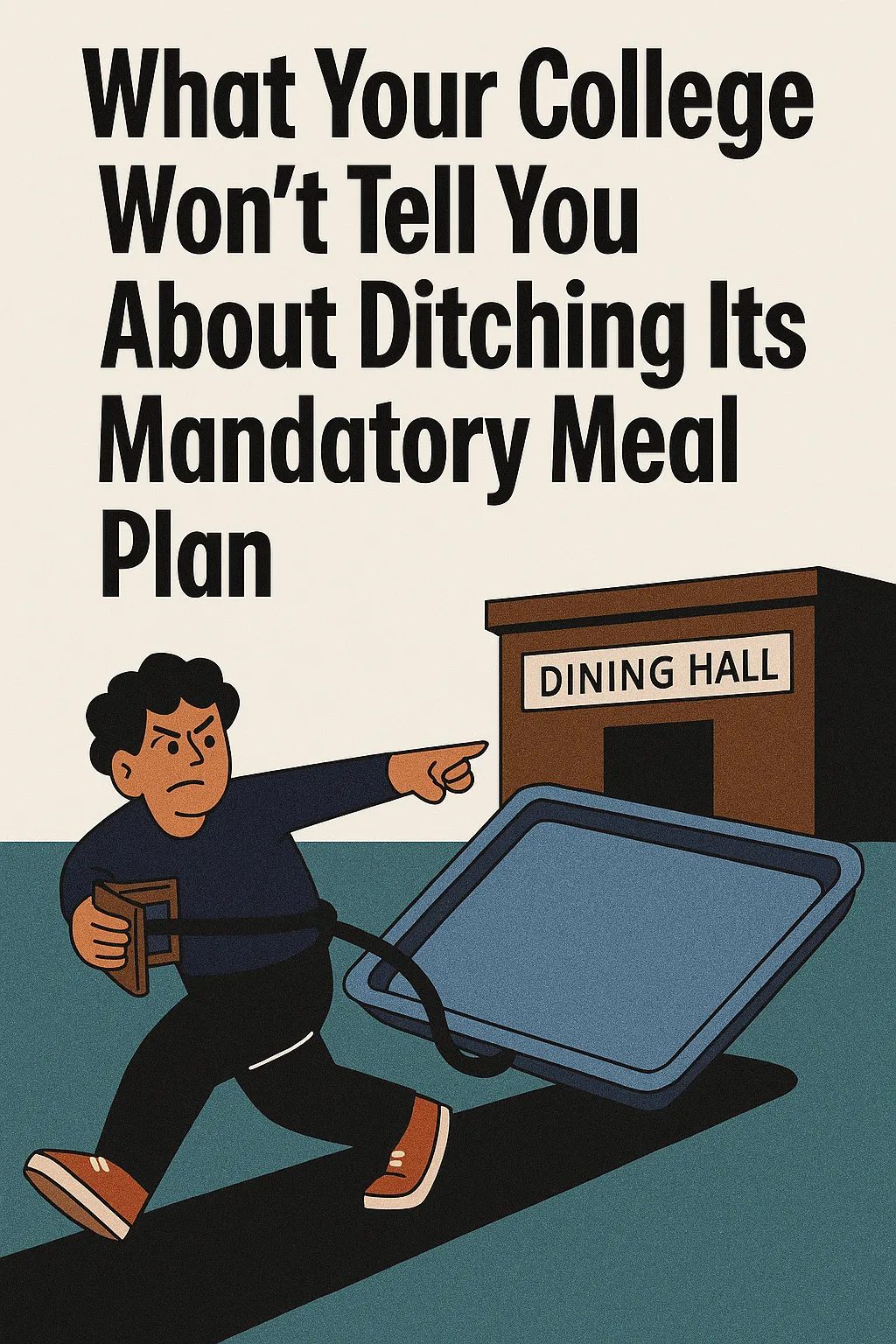
Universities usually require students to purchase pricey meal plans, but there are clever strategies to sidestep the extra expense…
Freshmen and first-year students living on campus are usually required to purchase costly meal plans. It’s just another expense in a long list: tuition, books and supplies, health insurance, renters’ insurance, parking passes, and many more. And it’s not cheap (though most are reasonable). This obligation typically tacks on thousands of dollars and may even be mandated into the second year.
Universities state that the reasons for this dictate are to provide students with convenience, help students manage their food expenses, promote good nutrition, reduce or eliminate meal planning and cooking stress, keep students from going hungry, and build community among the student body.
However, colleges derive revenue from required meal plans. Plus, these help reduce dormitory building and maintenance costs by foregoing equipping housing with full kitchens. An added financial benefit that schools enjoy is avoiding fires and other destructive incidents since students don’t have access to stoves and other major kitchen appliances.
Due to these circumstances, it would be impossible to avoid paying for a meal plan. But there are ways to circumvent this substantial expense, though it will take a bit of work. So, read on to learn how you can escape the meal plan trap.
How can First-Year College Students Get Out of Mandatory Meal Plans?
As stated, starting college often means mandatory meal plans for freshmen living on campus, tacking on $2,000–$7,000 annually to tuition and housing. These plans promise convenience but can force unwanted spending on unused meals, especially for picky eaters or budget-conscious students. The good news? Exemptions exist, though they’re school-specific and require effort.
Pursue the Policy
First, review your college’s policy. Most U.S. universities require on-campus first-years to participate, but opt-outs are possible for commuters or those in upperclassmen housing. Log in to your student portal or contact the housing/dining office early, as deadlines are often pre-semester.
Exploit Dietary Restrictions
The most common exemption is medical or dietary necessity. Severe allergies, intolerances (like celiac disease), or disabilities preventing dining hall use qualify under laws like the Americans with Disabilities Act. Submit a doctor’s note detailing restrictions and why alternatives (e.g., cooking in-room) are needed. Generally, an online form with physician support unlocks exemptions. Success rates vary. For instance, one student won approval for gluten-free needs after proving limited options.
Invoke Religious Rights
Religious or cultural dietary conflicts also work. Kosher, halal, or vegan mandates unsupported by the cafeteria can justify waivers—back it with a letter from a faith leader or advisor. You’ll have to look at the campus cafeteria menu first, though. Some colleges do cater to these restrictions, but certainly not all do.
Declare Financial Hardship
Financial hardship offers another route, particularly if you’re on SNAP or facing food insecurity. Some schools waive plans for low-income students by providing FAFSA details or asking for a personal essay explaining budgeting needs. International students unused to campus food have succeeded with polite appeals highlighting cultural adjustments.
Move Off-Campus
If ineligible, consider off-campus living where allowed—many schools permit it for upperclassmen but not freshmen. Families can also move closer to campus, as most colleges offer an exemption for students living at home. Otherwise, negotiate a minimal plan or use flex dollars wisely.
Be the Squeaky Wheel, Get the Grease
And remember, persistence pays. Follow up via email or in-person meetings. While not every request succeeds, thousands opt out yearly through appeals. Weigh the social perks of dining halls against savings; opting out demands self-reliance but frees funds for books or fun.
Also, be sure to empower yourself. Research, document, and advocate. College is your launchpad—don’t let a meal plan cramp your style.
Parents, what have been your experiences with mandatory college meal plans, and what would you add?
Leave a Reply